
Closing the coop at dusk every night is one of the most important chores in chicken keeping. Many predators hunt at night, and one missed evening can mean losing birds. An automatic coop door handles this for you, opening in the morning and closing at night.
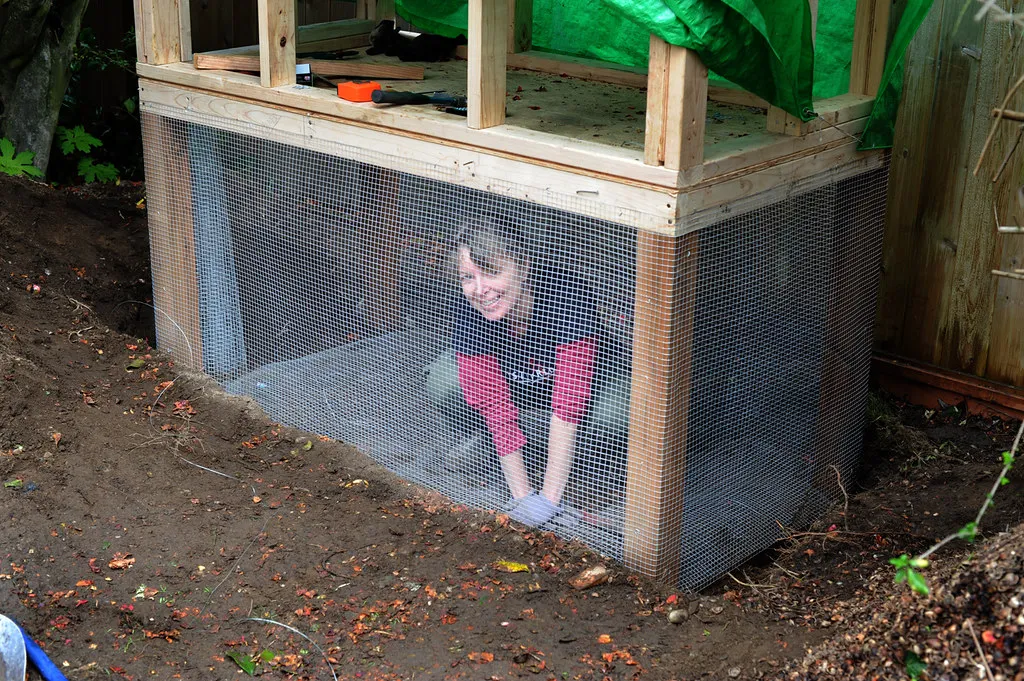
Backyard poultry can carry Salmonella even when they look healthy. The CDC recommends washing your hands after handling birds, eggs, or anything in their area. Check local rules before you get chickens.
How they work
An automatic door uses a motor to open and close a sliding or lifting door. Most use one or more of these:
- Light sensor: opens at dawn and closes at dusk based on light levels.
- Timer: opens and closes at set times.
- Combination modes: for example, closing at dusk or a set time, whichever comes first.
- App control: Wi-Fi or Bluetooth models let you check status and open or close from your phone.
Chickens naturally go to roost at dusk, so a light sensor usually closes the door after they are inside.
Benefits
- Consistent predator protection, even when you are late or away.
- Freedom to sleep in, travel for a night, or work late.
- Peace of mind with app alerts on some models.
Types of doors
- Vertical sliding doors lift up and drop down. Common and simple.
- Horizontal sliding doors move side to side and work well in snowy climates where ice can jam vertical doors.
- Cord-lift openers attach to an existing door and lift it with a cord.
Power options
- Battery: easiest to install. Replace or recharge periodically.
- Solar: a panel charges the battery.
- Mains power: reliable but needs an outdoor-rated outlet.
Choosing a door
- Compatibility with your coop opening and wall.
- Door size large enough for your largest birds.
- Mode options like light sensor, timer, and combination.
- Safety features such as obstruction detection that stops the door if a bird is in the way.
- Weather resistance.
- Lock or predator resistance, so a raccoon cannot lift the door.
- Warranty and support.
Installation tips
- Mount the door on a solid, square opening.
- Keep the track clear of bedding and debris.
- Test the door several times before relying on it.
- In cold climates, check for ice buildup in tracks.
Count your chickens
An automatic door does not know if every bird is inside. Some hens wander late, get stuck outside, or roost in a tree. Check the flock regularly, especially when introducing new birds or after changing the schedule. Many keepers set the closing time a little after dusk to give stragglers time.
Train new birds
Young or new birds may need a few nights of guidance to learn to go inside at dusk. Keep them in the coop for a few days so they learn it is home.
Not the only defense
An automatic door is one layer of protection. The coop itself must be secure, with hardware cloth on windows and vents and strong latches. See predator-proofing a coop.
Is it worth it?
For most keepers, yes. The cost is often less than replacing a flock, and the daily freedom is worth a lot. If you are always home at dusk, a manual door can work, but an automatic one protects against the night you forget.