
Space is one of the most important decisions you will make for your flock. Crowded chickens get stressed, peck each other, and get sick more often. Coop makers sometimes list optimistic capacities, so it helps to know common guidelines.
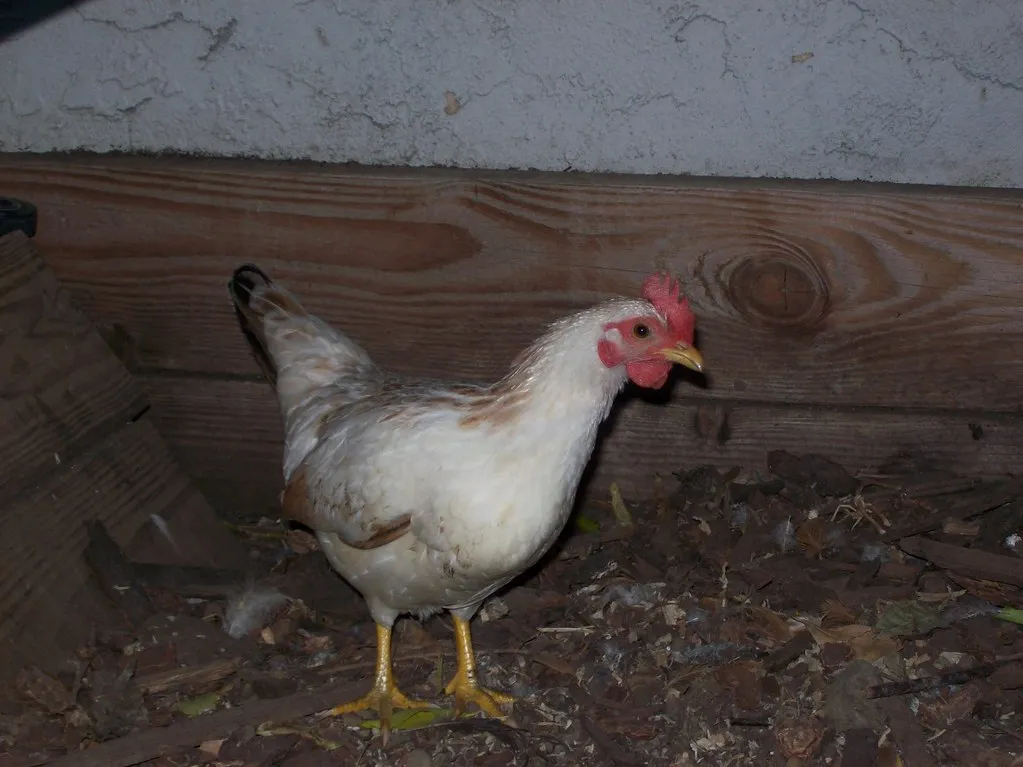
Backyard poultry can carry Salmonella even when they look healthy. The CDC recommends washing your hands after handling birds, eggs, or anything in their area. Check local rules before you get chickens.
Coop floor space
Many university extension services suggest: - Standard-size hens: about 3 to 4 square feet of indoor coop floor per bird. - Bantams: about 2 square feet per bird.
If chickens spend a lot of time inside, such as in long winters or when they cannot free-range, give more.
Run space
For outdoor run space, a common guideline is: - Standard-size hens: about 8 to 10 square feet per bird. - Bantams: about 4 to 5 square feet per bird.
More is better. Chickens love to scratch, dust bathe, and forage. A small, bare run turns to mud quickly.
Roosting space
Chickens sleep on roosts, perches above the floor. - Allow about 8 to 10 inches of roost per standard hen, and more for large breeds. - Use a wide, flat perch, like a 2x4 with the wide side up, so hens can cover their toes in cold weather. - Place roosts higher than nesting boxes so hens do not sleep in the nests.
Nesting boxes
- One nesting box for every 4 to 5 hens is a common rule.
- Boxes are typically about 12 by 12 inches for standard hens.
- Place them in a darker, quieter part of the coop, lower than the roosts.
Hens often all want the same box anyway.
Feeders and waterers
Make sure all birds can eat and drink without bullying. Use more than one feeder or waterer in larger flocks or if you notice a hen being chased away.
Ventilation
Chickens produce a lot of moisture and ammonia. Coops need ventilation high on the walls, above the roosts, to let moist air escape without drafts on sleeping birds. Poor ventilation can lead to respiratory problems and frostbite in winter.
Why coop capacity claims vary
Small kit coops sometimes advertise capacities that only work if chickens free-range most of the day. Check the actual floor space and compare it with the guidelines above. If you want a coop for four hens, look for one rated for six or more.
Free-ranging
Free-ranging gives chickens lots of space and enrichment but exposes them to predators, traffic, and neighbors’ gardens. Many keepers combine a secure run with supervised free-range time.
Signs of crowding
- Feather pecking and bald patches
- Bullying at feeders
- Dirty, smelly coop
- Muddy, bare run
- Stress-related drops in egg laying
If you see these, add space, enrichment, or reduce the flock.
Planning ahead
Many keepers experience “chicken math,” the tendency to keep adding birds. Build or buy a coop with room to grow. For help choosing, see choosing a chicken coop. For security, read predator-proofing a coop.