
The coop is your chickens’ home, shelter, and main protection from predators. A good coop is secure, roomy, well ventilated, and easy for you to clean. A bad one leads to sick birds, lost hens, and frustrated keepers.
Backyard poultry can carry Salmonella even when they look healthy. The CDC recommends washing your hands after handling birds, eggs, or anything in their area. Check local rules before you get chickens.
What every coop needs
- Enough space. See how much space chickens need.
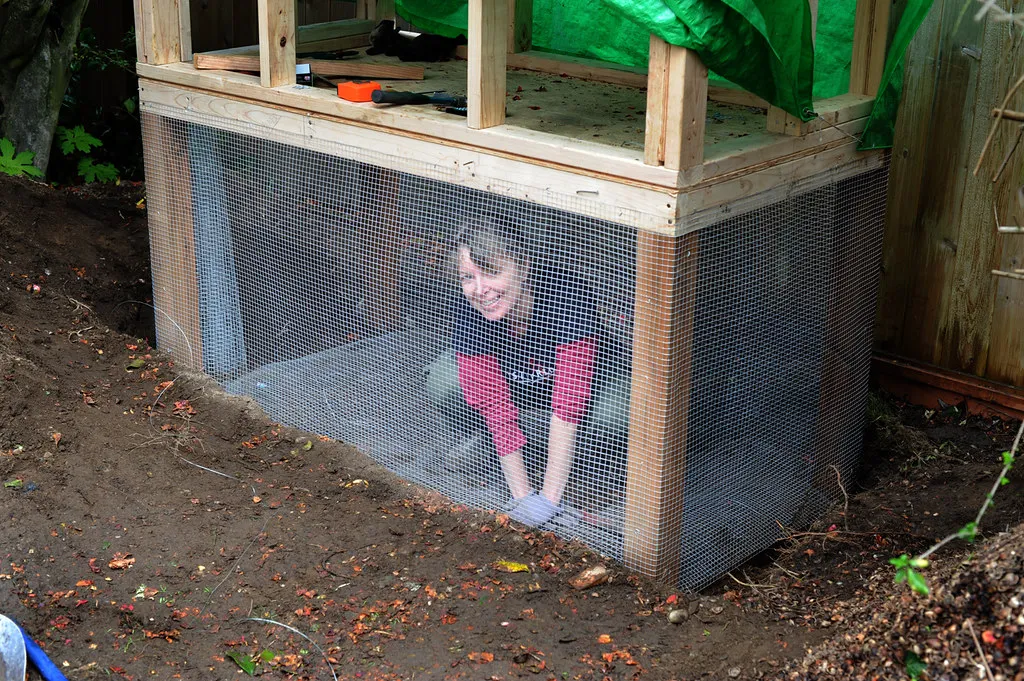
- Predator protection. Solid walls, secure latches, and hardware cloth (not chicken wire) on openings. See predator-proofing a coop.
- Roosts for sleeping.
- Nesting boxes, about one per 4 to 5 hens.
- Ventilation high on the walls.
- Easy cleaning with large doors, removable trays, or both.
- Weather protection from rain, wind, and sun.
Types of coops
Small wooden kit coops. Inexpensive and widely sold. Many are made of thin wood and have optimistic capacity claims. They can work for a few bantams or as a starter coop, but check construction, latches, and real floor space.
Plastic coops. Molded plastic coops are easy to clean, resist mites, and last a long time. They are usually more expensive. Many include runs and wheels.
Premium wooden coops. Built from thicker lumber with better hardware. Heavier and pricier but sturdy and customizable.
Walk-in coops and sheds. Converted sheds or walk-in coops make cleaning easy and suit larger flocks.
DIY coops. Building your own lets you size it right and use quality materials. Many extension services and keepers share plans.
Mobile coops (chicken tractors). Coops on wheels that you move around the yard for fresh grass. Great for lawns and gardens, but need secure construction.
Materials
- Wood: classic and customizable. Needs maintenance and can harbor mites in cracks.
- Plastic: easy to clean and durable. Can get hot in direct sun.
- Metal: strong but can get hot or cold.
- Hardware cloth: use ½-inch or ¼-inch welded wire mesh, not chicken wire, which keeps chickens in but not predators out.
Features that make life easier
- Large access doors for cleaning and egg collection.
- External nest box access.
- Removable droppings tray.
- Automatic door. Opens and closes on a schedule or light sensor. See automatic coop doors.
- Raised floor to keep the coop dry and deter rodents.
- Windows for light, with mesh for security.
Placement
- Choose a well-drained, level site.
- Give afternoon shade in hot climates and wind protection in cold climates.
- Keep the coop where you can see it from the house.
- Check setback rules from neighbors.
Budget tips
Spending more on a secure coop usually costs less than losing a flock to predators. If budget is tight, consider a DIY coop or upgrading a kit with hardware cloth and better latches.
Cleaning methods
Some keepers use the deep litter method, where bedding builds up and composts in place, cleaned out a couple of times a year. Others clean weekly. Choose a coop that fits your method.
Bottom line
Buy or build for the flock you will have, not the flock you start with. Prioritize security, ventilation, and ease of cleaning.