
Chickens handle cold better than many people expect. Their feathers trap warm air, and many breeds thrive in snowy climates. The bigger winter challenges are frozen water, damp coops, and short days. Here is how to keep your flock healthy.
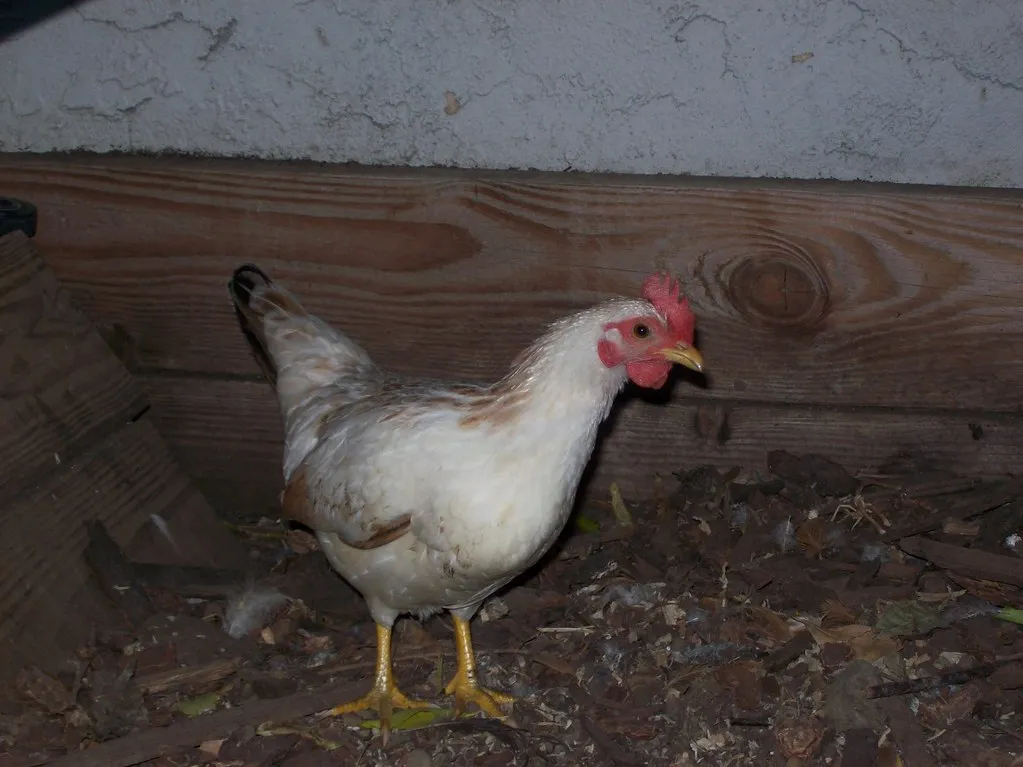
Backyard poultry can carry Salmonella even when they look healthy. The CDC recommends washing your hands after handling birds, eggs, or anything in their area. Check local rules before you get chickens.
Cold-hardy breeds
Breeds with small combs and heavy feathering, such as Orpingtons, Wyandottes, Brahmas, Australorps, and Plymouth Rocks, handle cold well. Breeds with large single combs are more prone to frostbite.
Keep the coop dry and ventilated
Moisture, not cold, is the biggest winter risk. Chickens breathe out a lot of moisture, and their droppings add more. Damp air leads to frostbite and respiratory problems.
- Ventilate high on the walls, above roosts, so moist air escapes without drafts on sleeping birds.
- Avoid sealing the coop tight.
- Use dry bedding and remove wet spots.
- Consider deep litter, where bedding composts and adds a bit of warmth.
Should you heat the coop?
Many experts advise against heating coops for healthy adult chickens of cold-hardy breeds. Heat lamps cause coop fires, and birds that get used to heat can struggle if power fails. If you live in extreme cold or have sick or very young birds, talk to a vet or extension agent about safe options, such as flat-panel heaters designed for coops.
Keep water from freezing
Chickens need liquid water every day. Options: - Heated waterers with built-in heaters. - Heated bases for metal founts. - Heated bucket wraps for bucket systems. - Rotating waterers several times a day.
Use outdoor-rated cords and outlets, keep cords away from bedding, and check equipment for damage.
Feed for warmth
Chickens burn more energy in cold weather. Keep feeders full. A handful of scratch grains in the evening gives a little extra energy, but should not replace complete layer feed.
Protect combs and wattles
Frostbite shows as pale or blackened tips on combs and wattles. Good ventilation is the best prevention. Some keepers apply petroleum jelly, but evidence is mixed. Do not rub frostbitten tissue; contact a vet if it looks severe.
Wide roosts
Use wide, flat roosts, like a 2x4 laid flat, so chickens can cover their feet with their feathers while sleeping.
Winter run
- Clear snow from part of the run; many chickens dislike walking on snow.
- Add a roof or windbreak.
- Spread straw or wood chips for traction and insulation.
Light and egg laying
Hens need about 14 to 16 hours of light to lay steadily. Egg laying naturally slows in winter. Some keepers add supplemental light on a timer to extend the day. Others let hens rest, believing it supports long-term health. If you add light, add it in the morning so birds settle at natural dusk, and use safe fixtures.
Molting
Many hens molt in fall, losing and regrowing feathers. Higher protein feed during molt can help.
Predators in winter
Hungry predators are bolder in winter. Check your coop’s security. See predator-proofing a coop.
Daily winter checklist
- Check water twice a day.
- Look at combs and feet.
- Check bedding for moisture.
- Collect eggs promptly so they do not freeze.