
Feeding chickens is simpler than many new keepers expect. A complete commercial feed made for your birds’ age provides nearly everything they need. Treats, scraps, and foraging are extras, not the main diet.
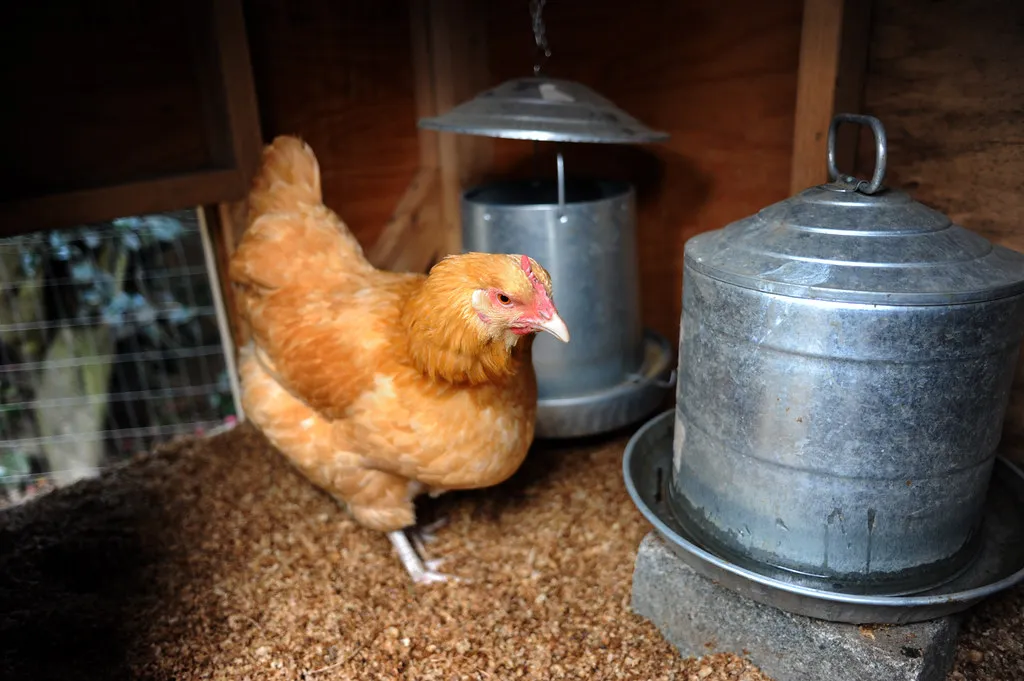
Backyard poultry can carry Salmonella even when they look healthy. The CDC recommends washing your hands after handling birds, eggs, or anything in their area. Check local rules before you get chickens.
Feed by age
Chick starter (hatch to about 6 to 8 weeks). A complete feed with higher protein, often around 18 to 20 percent. It comes medicated (usually with amprolium, to help prevent coccidiosis) or non-medicated. If your chicks were vaccinated for coccidiosis, ask the hatchery which to use.
Grower or starter-grower (about 8 weeks until laying). Slightly lower protein and still low in calcium. Many brands sell a single starter-grower feed for both stages.
Layer feed (from about 18 weeks or first egg). Usually around 16 percent protein with added calcium for strong eggshells. Do not feed layer feed to chicks; too much calcium can harm young birds’ kidneys.
All-flock feed. Useful for mixed flocks with roosters, ducks, or non-laying birds. Offer oyster shell on the side for laying hens.
Pellets waste less than crumbles or mash because birds cannot easily flick them out of the feeder.
Grit
Chickens have no teeth. They use small stones, called grit, in their gizzard to grind food. Birds eating only commercial feed need little extra grit, but if they eat grains, treats, or forage, offer insoluble grit free-choice. Chicks eating anything besides starter need chick-size grit.
Calcium
Laying hens use a lot of calcium for shells. Layer feed provides most of it, but offering crushed oyster shell in a separate dish lets each hen take what she needs. Thin or soft shells can be a sign a hen needs more calcium.
Water
Water matters as much as feed. Hens drink more in hot weather and when laying. Keep clean water available at all times, and keep it liquid in winter.
Treats and scraps
The common rule is to keep treats to about 10 percent of the diet, so hens still eat enough balanced feed. Good options in moderation:
- Leafy greens and garden weeds that have not been sprayed
- Squash, pumpkin, cucumber, and melon
- Berries and chopped apples (without seeds)
- Cooked rice, oats, or plain pasta
- Mealworms or black soldier fly larvae, especially during molt
- Scratch grains, as an evening snack in cold weather
Foods to avoid
- Avocado skin and pits, which can be toxic to birds
- Raw or dried beans, which contain harmful compounds until cooked
- Chocolate and caffeine
- Moldy or spoiled food
- Very salty, sugary, or greasy food
- Green potato skins and green tomatoes from the nightshade family
Check your local rules too. Some states restrict feeding kitchen scraps containing meat to poultry to limit disease spread.
How much do chickens eat?
A standard-size laying hen eats roughly a quarter pound (about 110 to 120 grams) of feed a day, depending on breed, size, weather, and laying. Most keepers keep feed available during daylight and let hens eat as they need.
Storing feed
- Store feed in a metal bin with a tight lid to keep out rodents and moisture.
- Use feed within a few months of the mill date, since vitamins degrade over time.
- Throw out wet or moldy feed.
Molting and stress
During molt, hens regrow feathers and need more protein. Switching to a higher-protein feed or adding protein treats can help. Laying often pauses during molt, which is normal.
Keep it simple
Complete feed, fresh water, grit, oyster shell, and a few treats keep most backyard flocks healthy. For equipment, see chicken feeders and waterers. For winter care, see chickens in winter.