
Backyard chickens give you fresh eggs, garden help, pest control, and a surprising amount of personality. They also need daily care, a secure home, and a long-term commitment. Hens can live 8 years or more, though egg laying slows after the first few years. Here is a plan for getting started.
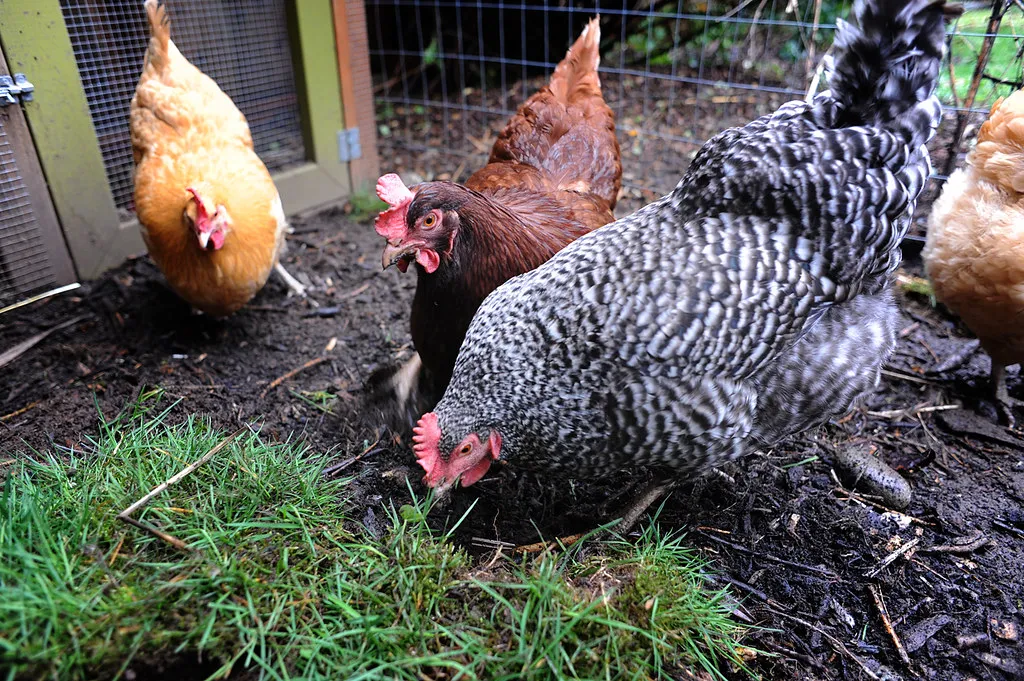
Backyard poultry can carry Salmonella even when they look healthy. The CDC recommends washing your hands after handling birds, eggs, or anything in their area. Check local rules before you get chickens.
Step 1: Check the rules
Before you buy anything, check: - City or county ordinances. Many allow hens but limit flock size, ban roosters, or require permits. - HOA rules if you have them. - Setback requirements for coops from property lines and houses.
See local rules and good neighbors.
Step 2: Decide how many
Chickens are flock animals and should not live alone. Three to six hens is a good starting flock for most families. A healthy young hen of a good laying breed may lay around 4 to 6 eggs a week in her first couple of years, with fewer in winter and during molting.
Step 3: Plan the coop and run
Chickens need: - A secure coop for sleeping, with roosts and nesting boxes. - A run or a safely fenced area for daytime. - Protection from predators, day and night. - Ventilation without drafts.
Common guidelines suggest about 3 to 4 square feet of coop floor and 8 to 10 square feet of run per standard-size hen. See how much space chickens need and choosing a chicken coop.
Step 4: Choose chicks or adult hens
- Chicks are cute and become friendly, but need a brooder with heat for several weeks and will not lay until roughly 5 to 6 months. See raising baby chicks.
- Started pullets (young hens near laying age) skip the brooder stage.
- Adult hens lay sooner but may be harder to find and their age and health are less certain.
Buy from reputable hatcheries or local breeders participating in the USDA’s National Poultry Improvement Plan (NPIP) when possible.
Step 5: Pick friendly breeds
Beginner-friendly breeds tend to be calm, hardy, and good layers. Popular choices include Buff Orpington, Barred Plymouth Rock, Australorp, and Easter Egger. See beginner-friendly chicken breeds.
Step 6: Gather supplies
- Coop and run
- Feeder and waterer
- Bedding such as pine shavings or straw
- Layer feed (for hens 18 weeks or older), grit, and oyster shell
- Nesting box material
- A brooder setup if raising chicks
See chicken feeders and waterers and what to feed chickens.
Daily and weekly chores
Daily: - Let chickens out in the morning and close them in at dusk. - Check food and water. - Collect eggs. - Look over the flock for signs of illness.
Weekly: - Refresh bedding and remove droppings. - Clean feeders and waterers.
Seasonally: - Deep clean the coop. - Prepare for winter and summer weather. See chickens in winter.
Health and hygiene
Backyard poultry can carry germs like Salmonella even when they look healthy and clean. The CDC recommends: - Washing hands with soap and water after touching chickens, eggs, or anything in their area. - Keeping chickens out of the house. - Supervising young children around poultry and not letting them kiss or snuggle birds. - Keeping supplies like feeders outside.
Find a vet who treats poultry before you need one. If you see sudden deaths or signs of illness, contact your vet or state animal health office. The USDA asks keepers to report sick birds to help catch diseases like avian influenza.
Costs
Startup costs vary widely. A coop can range from a DIY build to a premium kit. Ongoing costs include feed, bedding, and occasional vet care. Most families keep chickens for the experience and quality of the eggs, not to save money.
Ready to start?
Read choosing a chicken coop next, then predator-proofing a coop.